Stop Watching Your Child Fall Behind in English

End the guilt of late starts, overwhelm from too many options, and fear of PSLE failure. Our proven K2-P6 program delivers fast comprehension gains, confidence boosts, and top scores – tailored for concerned parents like you.

Your Child’s English Breakthrough Starts Here

Concerned parents: Erase basic struggles for K2-P2. Goal-driven parents: Conquer PSLE pressure for P3-P6. Flexible curriculum fits packed schedules with proven results.
K2-P2 Foundations

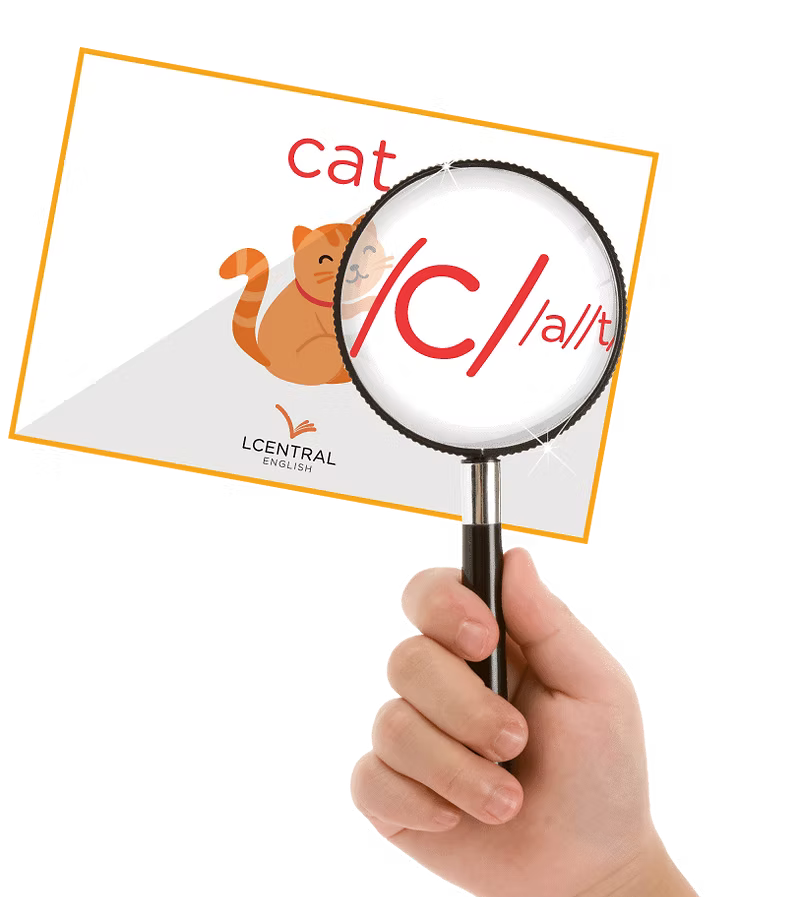
Phonics & comprehension erase guessing habits. Build peer-matching speed with engaging activities.

P3-P6 PSLE Mastery

 Orals, synthesis, and compositions with 20% average mock score jumps. Measurable results guaranteed.

Perfect Fit Schedules

Weekly progress trackers, parent updates, and bonus flexible slots. No trial barriers.

Real Parents, Real Results

90% see comprehension gains in 4 weeks • P3-P6 average 20% PSLE mock uplift

“My K2 girl went from silent in English to reading stories aloud. No more helplessness – the free assessment showed her exact gaps.”

Mrs Lim Mei Ling, 35, mother of Jia Wei (K2, age 6)

“My P3 daughter used to freeze during English tests and lose marks on comprehension. The structured lessons and weekly feedback from the teachers helped her jump from a low B to a strong A in one term. The regular updates gave me confidence that we were on the right track without needing to try multiple centres.”

Mr Tan Wei Jie, 38, father of Hannah (Primary 3, age 9)

“As PSLE drew closer, my P6 boy was burnt out from too many tuitions, yet his English grades barely moved. This programme focused exactly on his weaknesses in oral, comprehension and composition, and his mock PSLE score improved by more than 20%. We feel far less pressure now, knowing he has the right support and a clear plan.”

Mrs Ong Siew Yun, 40, mother of Lucas (Primary 6, age 12)

Frequently Asked Questions

1. How do I know if this programme is suitable for my child’s current level?

We start with a structured English assessment that checks reading, comprehension, writing, and speaking according to your child’s level (K2–P6). The teacher then explains where your child is coping well, where there are gaps, and recommends a specific class level and focus so your child is neither bored nor overwhelmed.

2. My child is already in tuition. What is different about this programme?

Many tuition classes mainly help with school homework and exam papers. Our programme follows a clear curriculum that builds skills step by step – phonics and basic reading for younger learners, and higher-order comprehension, grammar, oral, and composition for upper primary. You get visibility of what is taught each term and tracked progress, not just piles of completed worksheets.

3. My child is weak / shy in English. Will they be able to cope in a group setting?

Classes are kept small so teachers can give quieter or weaker students more individual attention. Lessons use guided reading, discussion, and bite-sized tasks instead of putting children on the spot, helping shy learners participate gradually and build confidence without feeling judged or left behind.

4. Will this really help with PSLE English, and not just “general” improvement?

For P3–P6 students, the programme is designed around the components tested in school exams and PSLE: grammar, vocabulary, comprehension question types, oral communication, situational writing, and continuous writing. Students practise with exam-style tasks while learning techniques for time management, answering strategies, and clearer, more organised writing.

5. How often are classes, and can it fit my child’s packed schedule?

Most students attend once or twice a week, depending on their level and goals. We offer multiple time slots so parents can choose a class that fits around school, CCA, and other enrichment, reducing the need to add yet another late-night or rushed session to your child’s timetable.

6. How soon will I see improvement, and how will I be updated?

Every child progresses differently, but many parents notice early shifts such as greater willingness to read, fewer careless mistakes, and better understanding of questions within the first 1–2 months. You’ll receive regular feedback from the teacher (through reports, messages, or short reviews), so you know exactly how your child is improving and what the next steps are.

Secure Your Child’s English Future Now

Act Before PSLE Rush

LCentral Lead

Consent